
MenuClose


Attention scarcity is at an all-time high. If you have just 7 seconds, how do you capture your consumer? How do you ensure they go from hooked to purchase? The facts show that:
The solution to this lies in a combination of hyper-personalised messaging and engaging, digital features. In other words, interactive marketing.
Table of Contents
Interactive marketing is about catching consumers’ attention and triggering a direct response from them through innovative means.
It is a method that takes into account a target audience’s preferences and engages them through interactive features that range from simple Instagram polls to complex, immersive video.
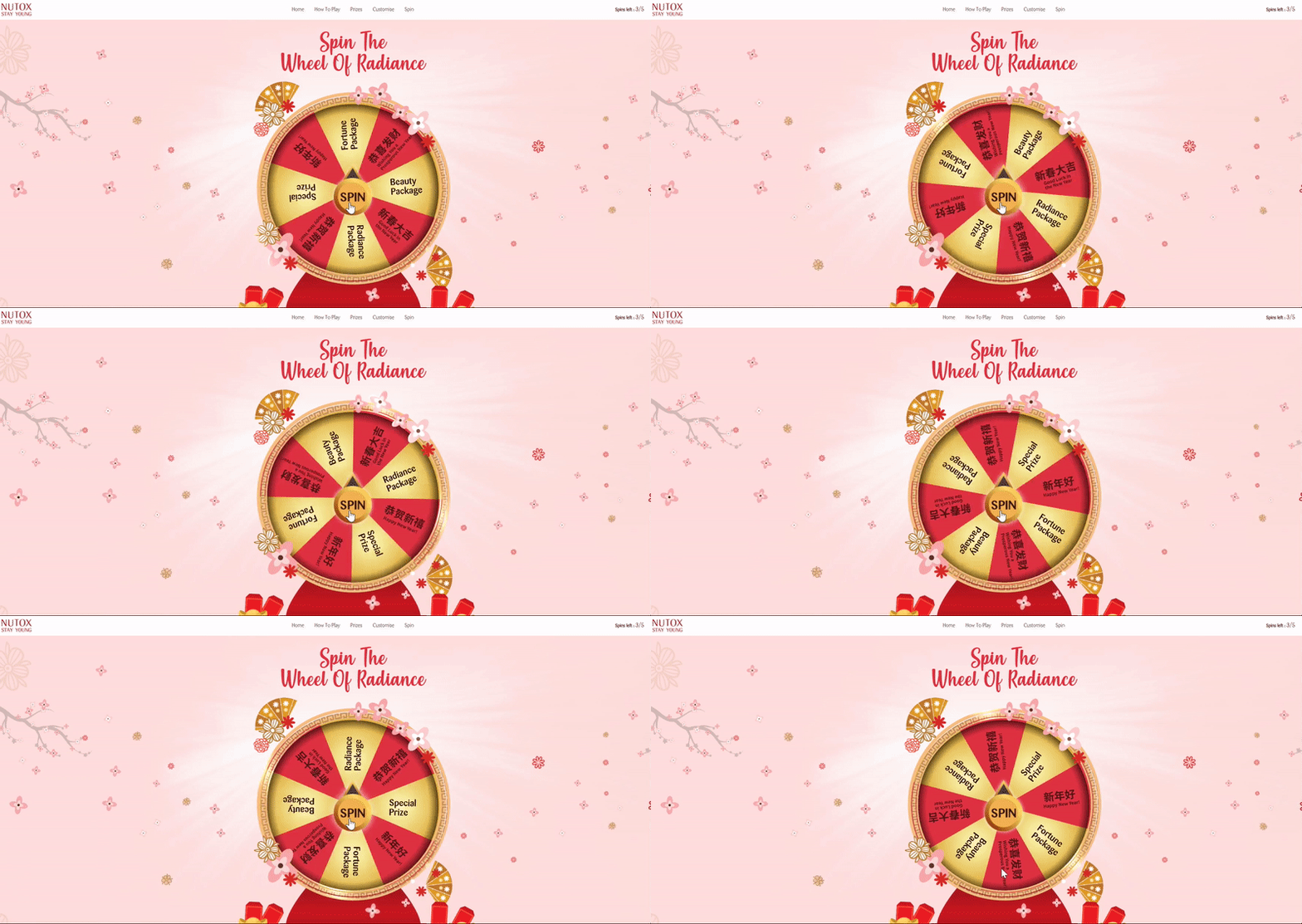
Interactive features are adept at garnering consumer interest and engagement.
Why? For these simple reasons:
1. Interactivity makes users feel involved
Interactive features help consumers see themselves in the brand’s experience. Whether it is time spent joining a brand’s product development process, or effort used to play a gamified campaign for a discount, these investments give users some skin in the game.
2. Interactive features support the Awareness stage within the marketing funnel
During the Awareness stage, these features differentiate a brand from its competitors and delivers impact during that critical first impression. This first discovery experience leads a customer to further engagement down the road.
In fact, 75% of marketers agree that offering customers a “sample” of the brand through free, interactive content resulted in a higher degree of lead nurturing.
3. Interactive content streamlines the purchasing process
Demand Gen Report found that interactive content led to 2X more conversions than passive content. This is likely through showcasing the product in an engaging manner and by providing social proof to ease the fear of buyer’s remorse.
Used this way, interactive features become a tool that reduce friction at buyer touchpoints and supports conversion.
There are numerous types of interactive features marketers and brands can incorporate into their strategy. These features are flexible enough to suit a short-term campaign or become a mainstay of their content marketing strategy. Below is a non-exhaustive list of features brands can incorporate into their marketing.
Simple interactive features
1. Animation
Animation in marketing ranges from website features to short videos. It can convey simple messages or break down a complex concept in a visually appealing way.
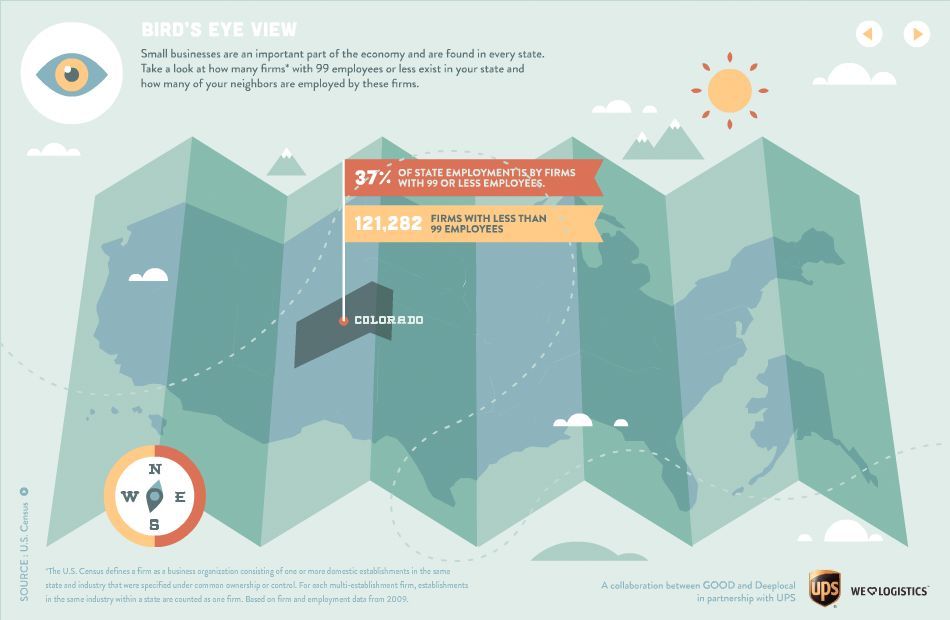
2. Infographics
Dynamic infographics take educative content to the next level. Layering an element of engagement with informational content combines expertise with memorability. Users are more likely to remember the brand associated with impactful, valuable content.
1. Gamified elements
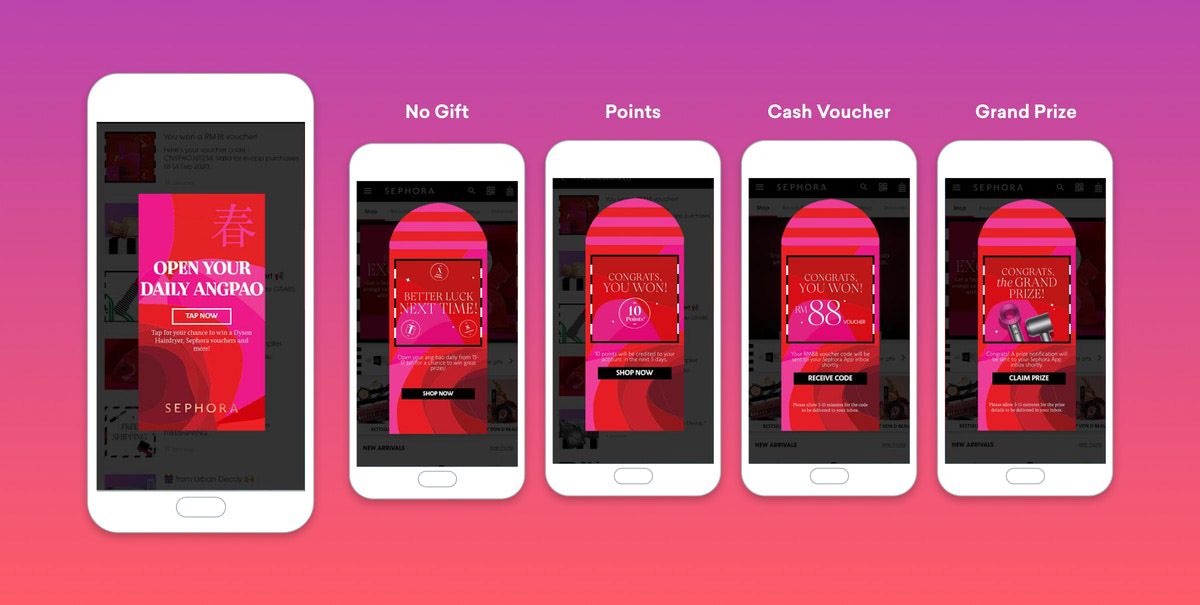
Gamification is a well-known interactive marketing tool that engages users. It is easy to customise to a brand’s needs, be it simple or complex. Popular features range from calculator-like tools to trivia and lottery-style games. AR too is another form of interaction and it’s extremely flexible, used in custom IG and Facebook filters to full-fledged games like PokemonGo.
Though gamification requires some time and effort, it yields great results both for product exposure and increasing user engagement.
Adact, a gamification company trusted by leading global brands, shows gamification offers:
2. Video
Personalised, otherwise known as dynamic video, turns “just” a video into a piece of content users resonate with. It makes the audience feel like the video is speaking to them and addressing their needs.
Interactive video
Interactive video is where participants navigate a video through the choices they make. This could be the short surveys YouTube shares before a video loads, toggling left and right within a video, or entering a storyline and making choices like a character.
Compared to other types of video content, 43% of consumers prefer interactive video content because they’re able to decide what information they’re in control of and what they’re viewing.
Immersive video
Immersive video, otherwise known as 360° Video, records video in all directions at the same time.
These sorts of videos are memorable and impactful. They’re great for creating an ultra-immersive user experience while also allowing the user to frame themselves within the video environment.
Here are two examples of how interactive marketing supports different stages of the marketing funnel and can be tailored to a campaign.
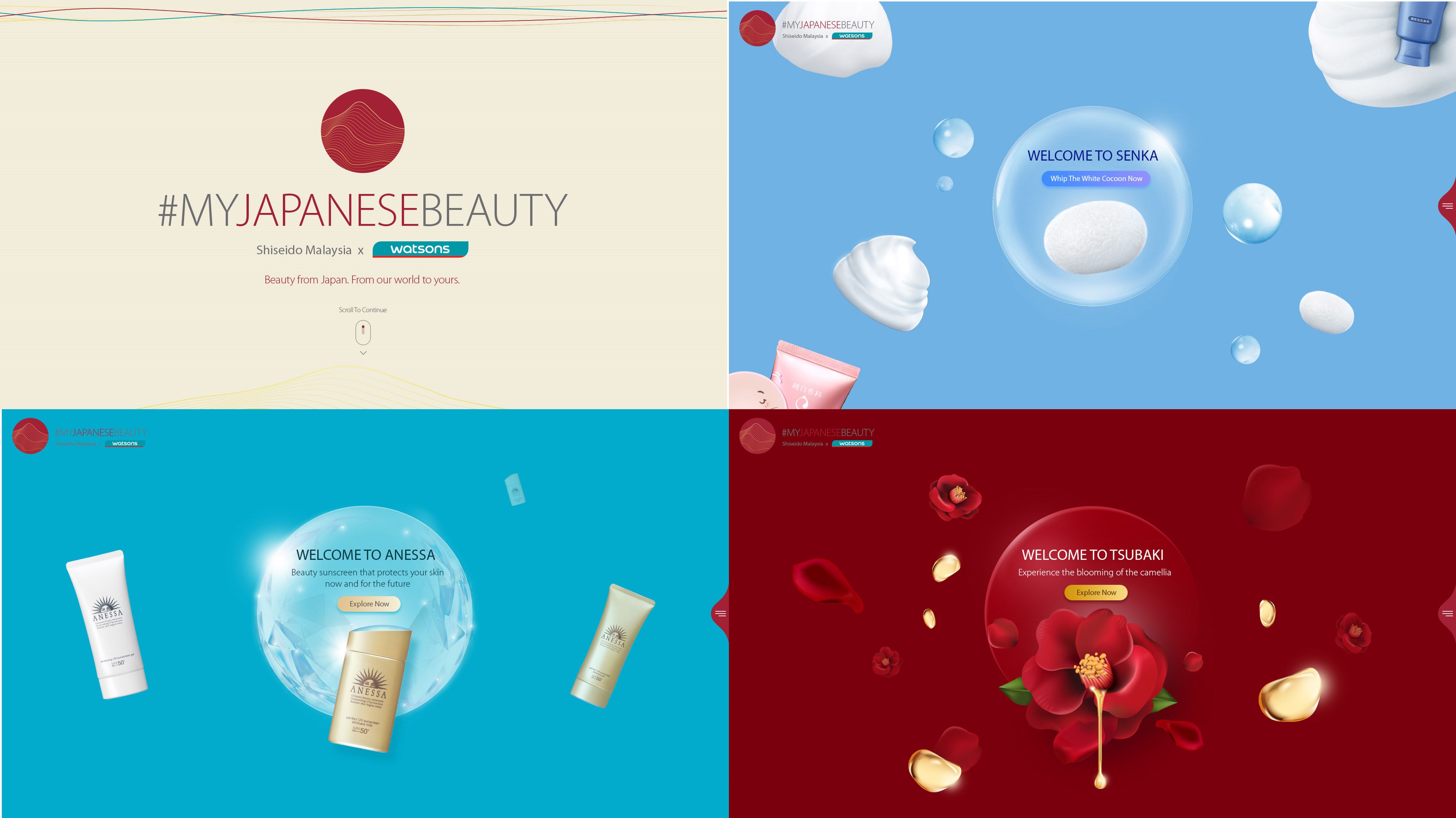
Shiseido sought to pivot online in the middle of a pandemic to spotlight their brands and products.
To digitally recreate the sensorial experience consumers get at physical events, we designed an interactive microsite to meet Shiseido’s multiple markets and corresponding languages.
Interactive features included:
This direction, supported by our digital strategy, strengthened top of mind awareness for Shiseido and its sub-brands. Results-wise, we gained 25K+ unique page views and drove 18k traffic to Shiseido’s e-commerce partner, Watsons.

KSK Land sought to promote their upcoming YOO8 branded residences under 8 Conlay.
Due to MCO (Malaysia’s national quarantine measures) constraints upon physical sales galleries, we offered an alternative method to engage with consumers: an interactive digital experience that showed customers “the art of living” with Kempinski at YOO8.
This digital alternative:
This campaign was the first of its kind among Malaysian property companies. The campaign raked in 2.8 million social media impressions and close to 28K site visitors.
Staying top of mind is crucial and a strategic interactive campaign could be the tipping point that captures the consumer’s attention amidst the noisy ad landscape.
Interactive marketing has near-endless possibilities and is proven to work. Its highly personalised messaging and impactful, engaging features are the antidote to ad fatigue today.
Want to include interactive marketing in your next campaign? Talk to us today!
References:
1. Outgrow: 31 Marketing Stats That’ll Help You Drive Your Marketing Strategy in 2021
2. Campaign Monitor: Interactive Elements That Can Increase User Engagement
3. Content Marketing Institute: Interactive Content Quizzes
4. Hubspot: 21 Interactive Content Stats That Marketers Need to Know in 2020
5. Demand Gen Report: 2019 State of Interactive Content Marketing
6. Raka Creative: Eye-Catching Uses for Animation in Your Marketing Plan
7. Adact: Are you using Gamification in Your marketing?
8. Idea Rocket: What Is Dynamic Video Content Or Personalized Videos?
9. Marketing Charts: Top Online Video Qualities Aiding Consumers Decision Making


June 7, 2024

June 19, 2024

March 21, 2024

 Thank you for your enquiry! We'll respond shortly.


